Home
Home
Services
Services

Resources
Resources
Storm Restoration
Storm Restoration
Roof Systems
Roof Systems
Locations
Locations
March 3, 2026
Find out how a roofing company that works with insurance can simplify your claim, document damage, and help you secure a fair settlement for your roof.
Guides

The success of your roof damage claim often comes down to one thing: proof. Insurance companies operate on data, and a vague estimate or a handful of blurry photos won’t be enough to get a fair settlement. This is where a tech-forward roofing company that works with insurance becomes your most valuable asset. Instead of relying on guesswork, they use advanced tools to create a detailed, undeniable record of all damage. This data-driven approach provides the objective evidence needed to justify the full cost of repairs, protecting you from paying out-of-pocket for work that should be covered. Here’s how the right documentation can maximize your claim.
When you're dealing with roof damage, you might hear contractors say they "work with insurance." But what does that actually mean for you? Simply put, it means the roofer has experience with the insurance claims process and can help you manage it from start to finish. After a storm, the last thing you want is to get tangled in confusing paperwork and long phone calls with your insurance company. A roofer who understands this process acts as your guide, making sure everything is documented correctly and submitted properly so you don't have to become an overnight expert.
This partnership is about more than just convenience. It’s about ensuring you have a knowledgeable advocate on your side. An experienced roofer can spot damage an untrained eye might miss, document it with clear evidence, and build a comprehensive report for your insurer. They translate the technical details of your roof's condition into the specific language that insurance companies understand. They bridge the gap between the physical repair work that needs to be done and the insurance settlement you need to pay for it. This helps you feel confident and supported, turning a potentially stressful situation into a clear, manageable process where you know exactly what's happening and why.
An insurance-savvy roofing contractor goes beyond just hammers and nails. They understand the specific language, documentation, and evidence insurance companies require to approve a claim. Think of them as a key part of your team. A good roofer helps you get a fair payment from your insurance company by providing a detailed inspection and accurate, data-driven cost estimates. They know what adjusters look for and can document damage in a way that clearly justifies the need for repairs or a full replacement. This expertise is what transforms a complicated claim into a straightforward project.
So, is any roofer equipped to handle an insurance claim? Not always. While a general contractor is skilled at performing repairs, they may not have the specialized knowledge to deal with the insurance side of things. The claims process can be slow and complex, often leading to months of negotiations, payment delays, and frustrating disputes. An insurance specialist, on the other hand, is prepared for this. They have systems in place to manage communication with adjusters and handle the paperwork efficiently, which keeps your project moving forward without unnecessary hold-ups and reduces stress for you.
When you partner with a roofer who understands the insurance process, they do more than just fix your roof. They become a key part of your team, helping you manage the claim from the initial inspection to the final shingle. This partnership is designed to protect your home, simplify the paperwork, and ensure you receive a fair settlement based on clear, factual evidence. Instead of juggling calls between your roofer and your insurance adjuster, you have an expert who can handle the technical details, allowing you to focus on what matters. Here’s a look at what a qualified, insurance-savvy roofer can do for you.
The foundation of any successful insurance claim is solid proof. An experienced roofer will conduct a meticulous inspection of your entire roofing system, not just the obvious spots. They identify and document every bit of damage with high-resolution photos and detailed notes. This creates a comprehensive report that serves as critical evidence for your insurance company. This isn't just a quick look; it's a fact-finding mission to build a strong, undeniable case for the repairs your home needs. This detailed assessment ensures your claim accurately reflects the full extent of the damage, helping you secure a fair settlement.
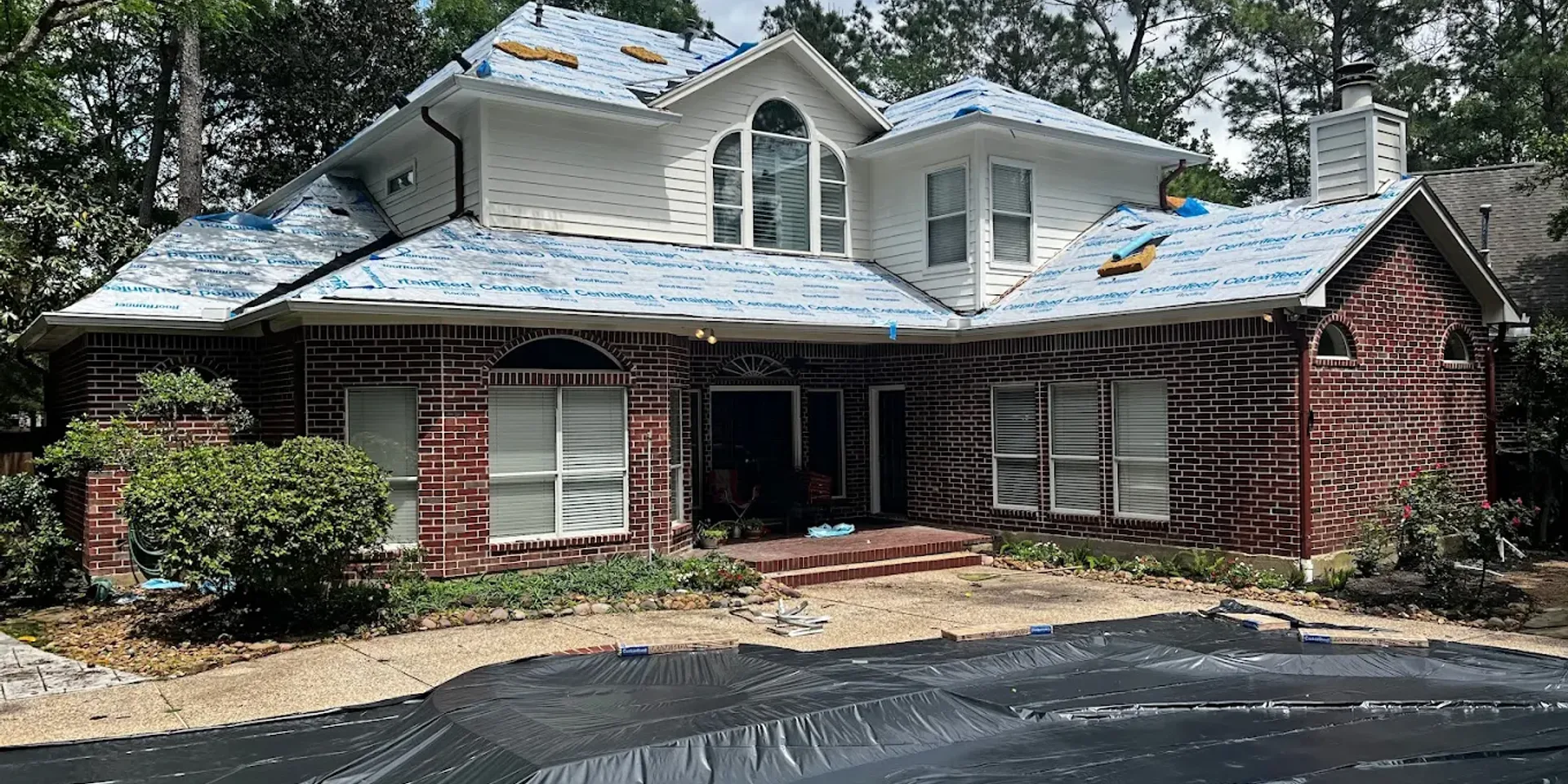
After a severe storm, your first priority is to prevent any further damage to your home. Water intrusion from a damaged roof can lead to serious issues with your home’s interior, including drywall, insulation, and electrical systems. A responsive roofing contractor can provide emergency tarping services and other temporary repairs right away. This immediate action protects your property while you wait for the insurance claim to be processed and approved. It’s a critical first step that gives you peace of mind and shows your insurance provider that you’re taking responsible steps to mitigate additional loss.
Once your claim is approved, your roofer transitions into the role of project manager. They handle the entire roof replacement, from ordering the right materials to making sure the final installation meets all local building codes and manufacturer specifications. A tech-forward roofer uses modern tools to create precise estimates that align material and labor costs with current pricing data. This accuracy reduces the frustrating back-and-forth with your insurance company, creating a smoother process for everyone. They oversee the project from start to finish, ensuring the work is done correctly and efficiently.
Let’s be honest: insurance paperwork can be overwhelming. The forms are often filled with confusing terms, and it’s easy to miss a small detail that could delay your claim. A roofer who works with insurance claims can be an invaluable guide through this process. They know what information and documentation adjusters need to see and can help you complete the paperwork accurately and on time. This support helps streamline the entire claims process, reducing stress and making sure you have everything in order for a successful outcome.
When your roof is damaged, filing an insurance claim can feel like a second storm hitting. The paperwork, the terminology, and the back-and-forth with your insurance company can be overwhelming. This is where a roofer who is experienced with insurance claims becomes your most valuable asset. They do more than just fix the damage; they act as your advocate, providing the expertise and evidence needed to ensure your claim is handled fairly and accurately. From the initial inspection to the final repair, a knowledgeable roofer can guide you through each step, turning a stressful process into a manageable one.
Insurance carriers operate on proof. To approve a claim, they need clear, detailed evidence of the damage and its cause. An experienced roofer knows exactly what adjusters look for. They will conduct a thorough inspection, taking high-resolution photos and videos of everything from lifted shingles to hail impacts that you might not even see from the ground. They compile this evidence into a professional report that clearly outlines the scope of the damage. This professional documentation is the foundation of your claim, providing the objective proof your insurance company needs to process a fair settlement.
You shouldn't have to become an expert in roofing terminology to get your claim approved. A roofer who works with insurance can act as your translator and representative. They can meet the insurance adjuster at your property to walk them through the inspection findings, pointing out specific areas of damage and explaining why certain repairs are necessary. This direct communication helps prevent misunderstandings and ensures the adjuster has a complete picture of the situation. By explaining the full scope of work in a language the adjuster understands, your roofer makes sure nothing gets overlooked.
A vague or poorly justified estimate is a red flag for insurance companies and can cause significant delays. A top-tier roofing contractor uses technology to build a precise, line-item estimate that leaves no room for doubt. Instead of relying on guesswork, they use data to calculate the exact costs for materials, labor, and compliance with local building codes. This level of precision gives your insurance carrier confidence that the pricing reflects the true cost of a quality repair, not an inflated number. This data-driven approach minimizes the frustrating back-and-forth and helps get your claim approved faster.
Sometimes, despite your best efforts, a claim is denied or the settlement offer is too low to cover the necessary repairs. This isn't always the final word. An experienced roofer can help you understand the insurance company's reasoning and determine the best path forward. They can review the adjuster's report, provide additional evidence to counter their findings, and help you through the appeal process. Having a professional advocate in your corner gives you the support and expertise needed to challenge an unfair decision and work toward the settlement you deserve.
Finding the right roofer after a storm can feel overwhelming, but choosing a contractor who is experienced with insurance claims is one of the most important decisions you’ll make. This isn’t just about getting a new roof; it’s about finding a partner who can guide you through a complex financial process. The right roofer acts as your advocate, ensuring the work is documented correctly and that your claim is based on a thorough, accurate assessment. They speak the language of insurance adjusters and can provide the detailed evidence needed to get your claim approved without unnecessary delays. A roofer who understands this process can make the difference between a smooth, successful restoration and a stressful, drawn-out ordeal. When you hire an expert, you're not just paying for shingles and labor. You're investing in their knowledge of the system, their ability to create indisputable documentation, and their commitment to seeing your home fully restored. They help ensure you receive the full settlement you're entitled to, preventing you from paying out-of-pocket for damage that should have been covered. It's about protecting your investment and your peace of mind.
When you’re vetting roofing companies, ask them directly about their experience with insurance claims. A roofer who regularly works with insurance carriers knows what adjusters need to see, from detailed damage reports to precise cost estimates. They understand how to document everything correctly to help you get a fair and accurate settlement. This experience is crucial because a roofer who primarily handles retail jobs may not be prepared for the specific documentation and communication required for an insurance claim process. Look for a team that can confidently explain how they’ll support you, from the initial inspection to the final paperwork.
Trust is non-negotiable. Start by looking for a local, licensed, and insured roofing company. A local contractor is more likely to understand Houston’s specific weather challenges and building codes. Plus, they have a community reputation to uphold and will be there if you need them in the future. Check their rating with the Better Business Bureau (BBB) and read online reviews from other homeowners in your area. A strong track record of positive feedback and a high BBB rating are good indicators that the company is reliable, professional, and committed to quality service. Don’t be afraid to ask for references from past insurance claim clients.
A smooth claims process depends on excellent communication and meticulous documentation. Your roofer should be able to clearly explain their findings, the scope of the recommended work, and every step of the insurance process. They should provide you with copies of all reports, estimates, and communications with your insurance company. A transparent contractor will keep you informed without you having to chase them for updates. This level of clarity not only reduces your stress but also ensures that you, your roofer, and your insurance adjuster are all on the same page, preventing misunderstandings and delays.
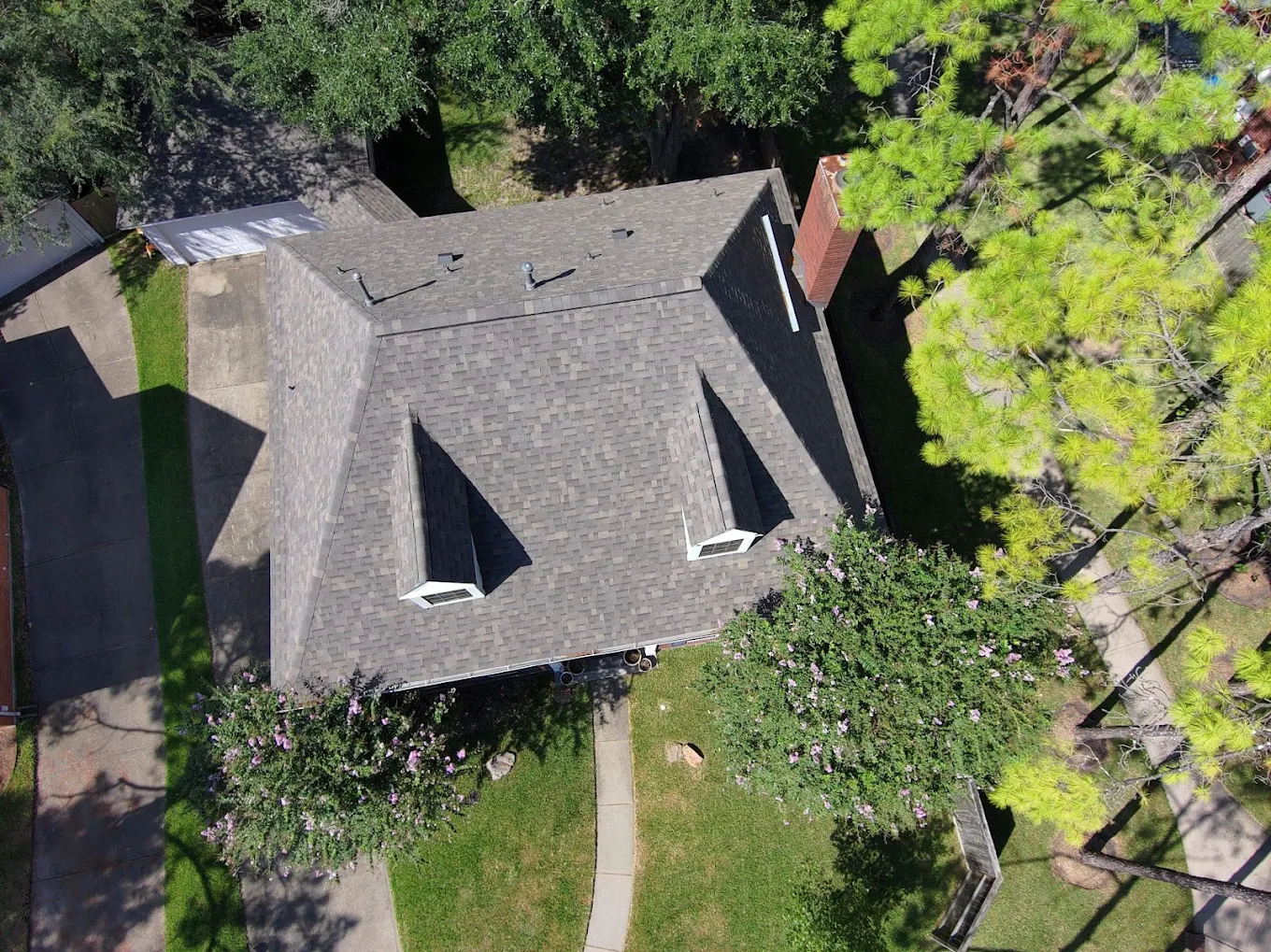
The quality of your claim starts with the quality of the inspection. Ask potential roofers what kind of technology they use. Companies that use modern tools like drones and AI-powered analysis can provide a level of detail that is impossible to achieve from the ground or a ladder. This technology can accurately identify and measure every point of damage, from hail impacts to wind-lifted shingles. This data-driven evidence creates a clear, objective report that is difficult for insurance carriers to dispute. An inspection backed by technology ensures your estimate is precise and fully justified, strengthening your claim from the very beginning.
Filing an insurance claim for roof damage can feel overwhelming, but the process is much more straightforward when you know what to expect. At its core, a claim is about verifying the damage, confirming your coverage, and getting the funds needed for a proper repair. While every policy is different, the key steps are usually the same. Understanding this roadmap helps you stay in control and work toward a fair settlement. A roofer who truly understands the insurance process is your best advocate, helping you gather the right evidence and communicate clearly with your provider from start to finish.
As soon as you spot damage, the first step is to call your insurance company to open a claim. They’ll give you a claim number and assign an adjuster to your case. Before the adjuster schedules their visit, it’s smart to get your own professional assessment. A qualified roofer can perform a detailed inspection, document everything with photos, and apply an emergency tarp to prevent more water from getting in. After the adjuster completes their inspection, they will provide a report on the covered damages. Your roofer should review this report against their own findings to make sure nothing was overlooked. Once the scope of work is agreed upon, your insurer typically releases an initial payment to get the repairs started.
Before any work begins, take a moment to review your policy. The two most important things to find are your deductible and your coverage limits. Your homeowner's insurance deductible is the amount you pay out of pocket before your insurance kicks in. For instance, if your deductible is $2,000 and the repair costs $15,000, you are responsible for the first $2,000. It’s also critical to know if your policy offers Replacement Cost Value (RCV) or Actual Cash Value (ACV). RCV pays to replace your roof with new materials, while ACV only covers the depreciated value of your old roof. Understanding these details helps you budget accurately and sets clear expectations for the outcome.
A claim denial is disappointing, but it usually happens for a few specific reasons. The most common is when damage is due to old age or wear and tear. Insurance is meant for sudden, accidental events, not for a roof that’s simply reached the end of its service life. A claim can also be denied due to a lack of routine roof maintenance, which is considered the homeowner's responsibility. Another pitfall is not having enough proof that a specific storm caused the damage. Finally, pay attention to filing deadlines in your policy. If your claim is denied, don’t give up. You always have the right to appeal the decision and provide more information.
Filing a roof damage claim can feel like a high-stakes process, and a few common missteps can unfortunately lead to delays, underpaid settlements, or even denials. When your home has been damaged, the last thing you need is more stress. Understanding these potential pitfalls ahead of time helps you protect your investment and ensures the process goes as smoothly as possible.
Many homeowners find themselves in a difficult position simply because they weren’t aware of how the claims process works. From waiting too long to act to accidentally hiring the wrong person for the job, these errors can cost you time and money. The good news is that they are entirely avoidable. By arming yourself with the right information and partnering with a roofer who understands the insurance landscape, you can confidently manage your claim and get the resolution you deserve. Let’s walk through the most frequent mistakes so you know exactly what to watch out for.
After you notice roof damage, the clock starts ticking. Most insurance policies include a clause that requires you to report damage in a timely manner. Waiting weeks or months can give the insurance company a reason to question the cause of the damage or even deny your claim altogether. It’s also critical to resist the urge to perform DIY repairs, even if they seem minor. While you should take steps to prevent further damage, like placing a tarp, any permanent repairs made before an adjuster’s inspection can be seen as altering evidence. This can complicate your claim and potentially void your coverage for that damage.
When it comes to an insurance claim, solid proof is your best friend. Before anything is touched or moved, you should thoroughly document the damage with clear photos and videos. Use your smartphone to capture the extent of the issue from multiple angles, both up close and from a distance. Take pictures of any fallen tree limbs, missing shingles on the ground, and interior water spots on your ceiling. This visual evidence is crucial for your insurance adjuster, as it provides an indisputable record of the state of your roof immediately after the event. A professional roofer can also provide drone imagery to safely document hard-to-see areas.
Insurance policies are detailed legal documents, and it’s easy to overlook the fine print. Unfortunately, many homeowners don’t realize what their policy excludes until their claim is denied. Standard policies often won’t cover damage from wear and tear, gradual leaks, or certain types of events like floods unless you have specific add-on coverage. Before you file, take some time to review your policy documents to understand your coverage limits, deductible, and any specific exclusions that might apply. Knowing these details upfront helps you set realistic expectations and prevents unexpected out-of-pocket expenses down the line.
The contractor you choose to work with can significantly impact the outcome of your claim. After a major storm, it’s common for out-of-town “storm chasers” to appear, offering quick, cheap repairs. Hiring an unlicensed or unvetted contractor is a major risk. Their poor-quality work may not meet local building codes, and they often lack the experience to provide the detailed documentation your insurance company requires. Always choose a licensed and insured local roofing company with a proven track record of handling insurance claims. A qualified professional will ensure the job is done right and can advocate for you effectively.
When your roof is damaged, the last thing you want is a complicated, drawn-out insurance process. Choosing a roofer who understands the ins and outs of insurance claims can make all the difference. This isn't just about finding someone to fix the shingles; it's about partnering with an expert who can guide you through every step, from initial inspection to final payment. An insurance-savvy roofer acts as your project manager and advocate, ensuring the process is as smooth and stress-free as possible. They help you get the repairs you’re entitled to without the headache of managing the claim on your own. They bridge the gap between you and your insurance company, translating complex requirements into a clear action plan. This partnership is built on trust and expertise, giving you confidence that your home is in good hands and that your claim is being handled correctly from the start.
One of the biggest advantages of working with an experienced roofer is their ability to help you secure a fair and complete settlement. A roofer who specializes in insurance claims knows exactly what to look for and how to document damage in a way that insurance carriers recognize. They provide detailed inspections and accurate, line-itemed estimates that leave no room for ambiguity. This professional documentation is crucial for making sure your insurance company provides a fair payment that covers the full scope of necessary repairs, preventing you from paying out-of-pocket for costs that should have been included in your claim.
Let’s be honest: dealing with insurance paperwork is overwhelming. An insurance-savvy roofer takes that burden off your shoulders. They understand the documentation adjusters need and can often communicate directly with your insurance company, saving you countless hours on the phone. Because they’ve managed this process many times before, they know how to keep things moving forward smoothly. This allows you to focus on your daily life while a professional handles the logistics, turning a potentially stressful situation into a manageable project with a clear path to completion.
A successful insurance claim isn’t just about getting a check; it’s about ensuring the repair work is done right. A knowledgeable roofer ensures all repairs meet or exceed local building codes and your insurance policy’s specific requirements. They use accurate data and industry-standard pricing to create estimates that reflect the true cost of materials and labor needed for a compliant, high-quality job. This protects you from shoddy work, ensures your roof warranty remains intact, and prevents future issues that could arise from cutting corners.
Think of an insurance-savvy roofer as your personal advocate. They speak the same language as insurance adjusters and can effectively communicate the necessity of certain repairs. If an adjuster overlooks damage or an initial offer seems too low, your roofer can provide the evidence needed to justify a more accurate settlement. They work on your behalf to make sure your claim is handled fairly and thoroughly. Having an expert in your corner provides peace of mind and ensures your home, one of your biggest investments, is properly protected.
After a storm or accident, your first priority is safety. Stay on the ground and avoid climbing on a potentially unstable roof. From a safe distance, take clear photos and videos of any visible damage. This initial documentation is incredibly valuable for your claim. Next, take reasonable steps to prevent further harm to your home, such as placing a tarp over a leak. This is often required by insurance policies.
Once the situation is stable, locate your homeowner's insurance policy. You’ll want to review your coverage for roof damage and find your deductible amount. This is the portion you’ll have to pay out of pocket. Understanding these details upfront will help you prepare for the conversation with your insurance company and your roofing contractor.
Don’t call your insurance company first. Your initial call should be to a trusted roofing contractor who has deep experience with insurance claims. An insurance-savvy roofer acts as your advocate, ensuring the scope of work is accurate from the very beginning. They will conduct a thorough, technology-assisted inspection to identify all damage, including issues that aren't visible from the ground. This detailed assessment is critical.
A roofer who understands the claims process can provide the precise documentation and data-driven estimates that insurance adjusters require. This helps streamline the process and ensures your claim reflects the true cost of a proper repair. When you hire a contractor, you’re choosing a partner to guide you through a complex financial process, so make sure they’re qualified for the job.
The roof insurance claim process is rarely a quick fix. It often involves detailed negotiations between your roofer and the insurance adjuster, and it can take weeks or even months to reach a final settlement. Be prepared for some back-and-forth. The insurance company’s initial offer may not cover the full cost of the damage, especially if their adjuster missed something during their inspection.
This is why a detailed estimate from your roofer is so important. It serves as the foundation for negotiating a fair and complete settlement. Patience is key. The goal is not just to get the claim approved quickly, but to ensure you receive enough funds to restore your roof correctly with quality materials and workmanship. A good partner will keep you informed at every step.
Who should I call first: my roofer or my insurance company? While your first instinct might be to call your insurance agent, we recommend calling a trusted, insurance-savvy roofer first. An expert roofer can perform a detailed inspection and document all the damage before an adjuster ever sees it. This gives you a complete, evidence-based assessment from the start, which helps ensure your claim accurately reflects the full scope of work needed to restore your home properly.
What happens if my roofer's estimate is higher than what my insurance company offers? This is a very common situation, so there's no need to panic. An initial insurance estimate often misses specific items or doesn't account for local building code requirements. A roofer experienced with claims will review the adjuster's report, compare it to their own detailed findings, and submit a supplement with supporting evidence for any missing costs. This professional back-and-forth is a normal part of the process to reach a fair and accurate settlement.
Can my roofer handle the entire claim for me? Your roofer acts as your expert advocate, not your legal representative. They can provide professional documentation, communicate with the adjuster about the scope of work, and explain the technical details of the damage. However, you, as the policyholder, are still responsible for filing the claim and communicating with your insurer about policy matters. A great roofer guides you through the process and handles the technical side, making it much easier for you to manage.
What's the difference between Replacement Cost Value (RCV) and Actual Cash Value (ACV)? Think of it this way: Replacement Cost Value (RCV) coverage provides the funds to replace your old roof with a brand new one using similar materials. Actual Cash Value (ACV) coverage only pays for the current, depreciated value of your damaged roof. An ACV policy is like getting paid for a 15-year-old car, while an RCV policy gives you the money to buy the new model. Most homeowner policies are RCV, which is what you want for a full restoration.
Do I have to pay my deductible? Yes, your deductible is your out-of-pocket contribution to the repair, and you are legally required to pay it. It's the amount subtracted from your total claim settlement. Be cautious of any roofer who offers to "waive" or "cover" your deductible, as this is often a sign of insurance fraud. A reputable contractor will always collect the deductible from you directly.
Roofing Resources