Home
Home
Services
Services

Resources
Resources
Storm Restoration
Storm Restoration
Roof Systems
Roof Systems
Locations
Locations
January 28, 2026
Get practical tips on residential roof repair, from spotting common issues to choosing a contractor and understanding costs, warranties, and maintenance.
Guides

The roofing industry can sometimes feel like a black box, leaving you to wonder if the advice you’re getting is based on facts or a sales quota. When it comes to your home, you deserve clarity. A residential roof repair shouldn't be a mystery, and you shouldn't need to be an expert to understand what’s wrong. This guide is designed to pull back the curtain on the most common roof issues. We’ll explain the problems that pop up most often, from damaged flashing to storm-related wear. Our goal is to give you the knowledge to recognize the signs of trouble and feel empowered when you speak with a contractor, ensuring your decisions are based on solid information, not pressure.
When you think about home maintenance, your roof might not be top of mind, at least until a problem appears. The good news is that most roof issues fall into a handful of common categories. Understanding these problems helps you spot trouble early and have a more informed conversation with a roofing professional when the time comes. From minor leaks to storm damage, knowing what to look for can save you from stress and more expensive repairs down the road.
A proactive approach starts with recognizing the signs. Whether it’s a single discolored spot on your ceiling or a few shingles missing after a windy day, these clues tell a story about your roof's condition. Let's walk through the most frequent repairs homeowners face, so you can feel confident in protecting your home.
A water stain on the ceiling is one of the most obvious signs of a roof problem. While the stain itself is easy to spot, finding the actual source of the leak can be tricky. Water often travels along rafters and insulation before it soaks through your drywall, meaning the entry point on the roof could be several feet away from where the damage appears inside. These leaks are not just a nuisance; they can lead to mold, rotted framing, and compromised insulation if left unaddressed. A thorough roof inspection is the only way to accurately trace the water back to its origin and ensure the fix is permanent.
Your shingles are your roof’s first line of defense against the elements, and here in Houston, they take a beating from the sun and storms. Over time, you might notice shingles that are cracked, curling at the edges, or missing entirely. While a single damaged shingle might seem like a small issue, it creates an opening for water to seep underneath and damage the roof deck. It’s also often a sign that the rest of your shingles are nearing the end of their lifespan. Addressing damaged shingles quickly is key to preventing a small problem from turning into a much larger one.
Think of flashing as the waterproof sealant around anything that penetrates your roof: chimneys, vents, and skylights. This thin metal material is designed to direct water away from these vulnerable joints. Unfortunately, flashing is a common failure point. It can rust, come loose, or be installed incorrectly, creating a direct path for water to get in. Because these leaks often start small, they can go unnoticed until significant damage has occurred. Ensuring your roof flashing is secure and properly sealed is one of the most critical parts of maintaining a watertight roof.
It’s easy to forget about your gutters, but they play a vital role in protecting your roof. When gutters become clogged with leaves, pine needles, and other debris, water can’t drain properly. Instead, it backs up and pools along the edge of your roofline. This standing water can seep under your shingles, rot the wooden fascia boards, and even cause leaks inside your home. Regular gutter cleaning is a simple, preventative task that protects both your roof and your foundation from water damage, making it one of the most effective repairs you can manage.
Sometimes, roof damage is sudden and severe. A major storm can tear off shingles, or a fallen tree limb can puncture a hole straight through your roof deck. These situations are roofing emergencies because they leave your home immediately exposed to the elements. The first priority is always safety. Once it’s safe, the goal is to prevent further water from getting inside, which may involve a temporary fix like a tarp. In a stressful situation like this, you need a clear, honest assessment from a professional who can explain the damage and outline a plan for permanent repairs without adding sales pressure.
Finding the right roofing contractor can feel like a huge task, but it’s one of the most important decisions you’ll make for your home. The right partner will not only fix the immediate problem but also provide peace of mind for years to come. A great roofer operates with transparency, communicates clearly, and has a proven track record of quality work. To make sure you’re hiring a true professional, focus on a few key areas that separate the best from the rest.
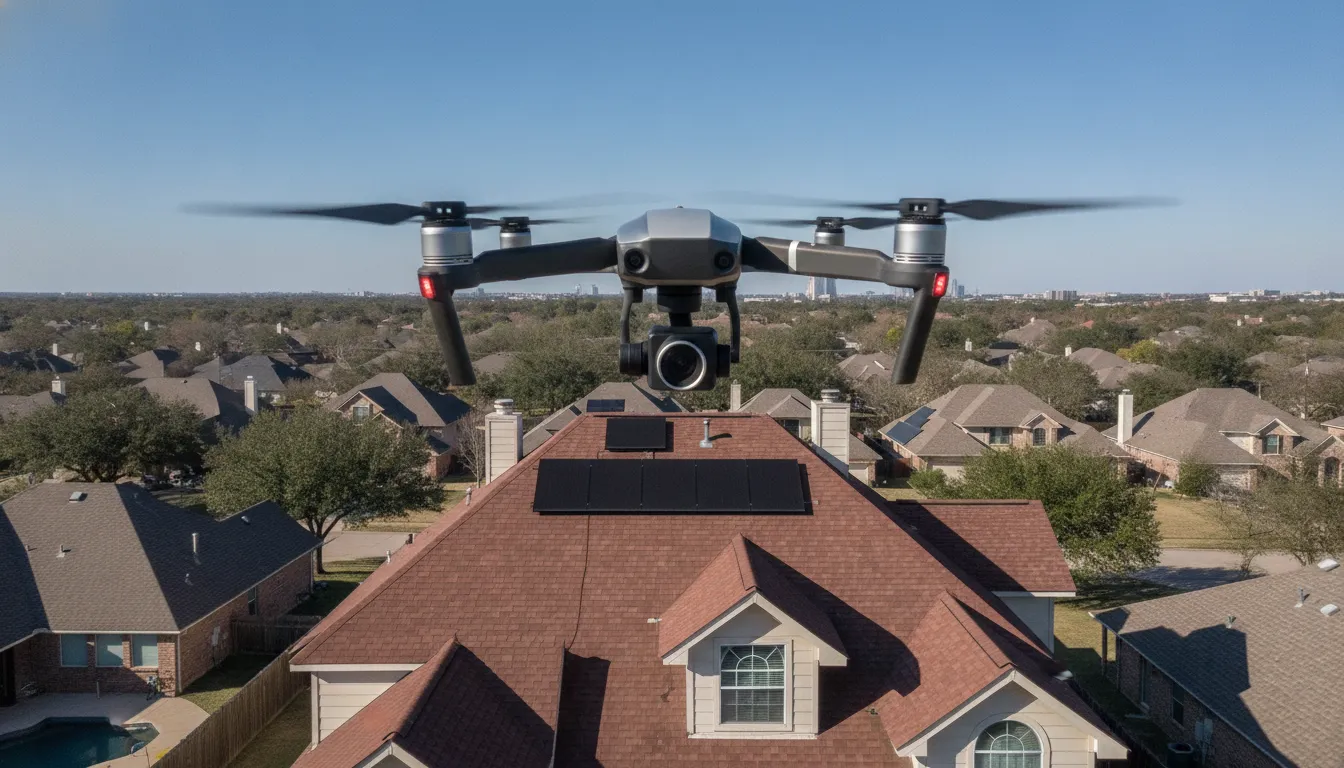
Guesswork has no place on your roof. A modern, reliable roofer should use technology to give you a clear and accurate picture of your roof’s condition. Ask potential contractors if they use tools like drones or AI-powered analysis in their inspections. This technology provides high-resolution images and objective data, so you can see the exact location and extent of any damage for yourself. This approach removes sales pressure and replaces it with facts. A data-driven inspection ensures that repair recommendations are based on real evidence, not just an opinion from the ground. It empowers you to make an informed decision with confidence.
Before you sign any contract, confirm that the roofing company is properly licensed and insured. This is a critical step that protects you from liability. A reputable contractor should readily provide proof of a valid state license, general liability insurance, and worker's compensation coverage. General liability protects your property in case of accidental damage, while worker's compensation covers the contractor's employees if they are injured on your property. Don’t just take their word for it; ask for the policy numbers and verify them with the insurance provider. Proper licensing and insurance are hallmarks of a professional and trustworthy business.
The way a company communicates from the very first call is a strong indicator of the service you’ll receive. A reliable roofer will listen to your concerns, answer your questions clearly, and provide detailed, written documentation for every step. You should receive a comprehensive estimate that breaks down the costs for materials, labor, and any permits. The contract should outline the full scope of work, the project timeline, payment schedule, and warranty details. If a contractor is vague, rushes you, or is unwilling to put everything in writing, consider it a major red flag. Excellent communication is just as important as technical skill.
A roofing company with deep roots in your community is often a safe bet. Local contractors have a reputation to uphold and are familiar with regional building codes and weather patterns. Look for a company that has been in business for several years and has a strong portfolio of local work. Check online reviews on sites like Google and the Better Business Bureau to see what past customers have to say. Don’t hesitate to ask for a list of local references you can contact. A contractor who is proud of their work will be happy to share examples and connect you with satisfied homeowners in your area.
Once you’ve narrowed down your options, it’s time to ask some direct questions to finalize your decision. Having a prepared list helps you compare companies and ensures nothing gets overlooked.
Here are a few essential questions to ask:
When you receive a quote for a roof repair, it can be hard to know if the price is fair. The truth is, costs can vary quite a bit because every roof and every repair is unique. Understanding the key variables that go into an estimate will help you feel more confident in your decisions. A transparent roofing partner should walk you through these factors, but it’s always good to have the knowledge yourself.
The final price tag depends on more than just a simple patch. It reflects the specific materials needed, the complexity of the job, and even the structure of your roof. From the severity of the damage to the type of shingles you have, several elements combine to determine the total cost. Let’s break down the five biggest factors that influence what you can expect to pay for a roof repair, so you can approach the process with clarity and peace of mind.
The single biggest factor in your repair cost is the scope of the problem. Replacing a few blown-off shingles after a storm is a relatively quick and inexpensive fix. However, if a leak has gone unnoticed for months, the cost will be much higher. Widespread water damage can rot the underlying wood decking, requiring a more intensive repair. In severe cases, a roofer may need to remove and replace entire sections of the roof's structure, which adds significant labor and material costs to the project. This is why catching problems early with regular inspections is so important; it can save you from a much larger bill down the road.
The materials on your roof have a direct impact on repair costs. Common asphalt shingles are generally the most affordable to repair or replace. If your home has premium materials like slate, tile, or metal, you can expect to pay more. These materials are more expensive to purchase and often require specialized skills to install and repair correctly. The price difference isn't just about the material itself; it's also about the specific components needed for the repair, like matching flashing, underlayment, and fasteners. A good roofer will source materials that match your existing roof to ensure a seamless and effective repair.
Labor is a major component of any roofing quote, and it’s influenced by the complexity of your roof’s design. A simple, low-pitched roof on a single-story house is straightforward to work on. However, if you have a steep, multi-story roof with lots of angles, dormers, and skylights, the job becomes more difficult and time-consuming. Roofers need extra safety equipment and more time to work around these features. This increased complexity and risk are reflected in higher labor costs. A trustworthy contractor will explain how your roof’s specific architecture affects the overall price.
Where you live plays a role in what you’ll pay for a roof repair. Labor rates and material availability can vary significantly from one city to another. Here in Houston, for example, costs might differ from those in other parts of the country. The time of year also matters. Demand for roofers often spikes during the storm season or right after a major weather event like a hurricane. During these peak periods, you may find that prices are higher and schedules are tighter. Planning non-urgent repairs for the off-season can sometimes lead to better availability and more competitive pricing.
If a tree branch falls on your roof during a storm, you need help immediately. Emergency repairs almost always cost more than scheduled ones. This premium covers the urgency of the service, as contractors often have to rearrange their schedules and sometimes work after hours to address your problem quickly and prevent further damage to your home. While you can’t plan for an emergency, you can avoid many of them. Addressing small issues like cracked shingles or damaged flashing before they turn into major leaks is the best way to manage your home maintenance budget and prevent the higher costs associated with urgent repairs.
A solid warranty is your peace of mind in a document. It’s the formal promise that the materials used and the work performed on your home will stand the test of time. But not all warranties are created equal, and the fine print can make a huge difference in what’s actually protected. Understanding the basics helps you compare quotes accurately and ensures you’re covered when you need it most.
Think of a roof warranty as two separate promises that work together. One comes from the contractor who installs your roof, and the other comes from the company that made the shingles and other components. Both are essential for protecting your investment, but they cover very different things. Before you sign any contract, make sure you have clear documentation for both and understand the terms, duration, and any actions required on your part to keep them active. A transparent contractor will walk you through these details without pressure, ensuring you know exactly what you’re getting.
It’s crucial to understand the two main types of roof warranties. First is the workmanship warranty, which is provided by your roofing contractor. This covers the installation itself. If a leak appears because a shingle was nailed incorrectly or flashing was improperly sealed, this is the warranty that addresses it. It’s your roofer’s guarantee of their quality of labor.
Second is the manufacturer’s warranty, which covers the physical roofing materials against defects. If your shingles start cracking or losing granules prematurely due to a production flaw, this warranty helps cover the cost of the defective materials. These are two distinct protections, and a reliable repair depends on having both.
The most common type of warranty you’ll encounter is the standard manufacturer's warranty. This protection comes directly from the company that produced your shingles, like GAF or Owens Corning. Typically, this warranty covers the cost of defective materials for a set period, which can range from 20 years to a lifetime, depending on the product.
However, "lifetime" can be misleading. It often refers to a prorated coverage that decreases in value over time. Some manufacturers also offer extended warranties that provide more comprehensive, non-prorated protection for the first several years. These often require your roof to be installed by a factory-certified contractor who follows specific installation guidelines.
A warranty isn’t a "set it and forget it" document. To keep it in good standing, you have to do your part. Most warranties, from both the manufacturer and the contractor, require you to perform regular roof maintenance. This includes keeping gutters clean, removing debris, and addressing minor issues before they become major problems.
You’ll also need to schedule periodic professional inspections and keep detailed records of any repairs. If you neglect your roof and a problem gets worse, the manufacturer could deny your claim. It’s also important to check if the warranty is transferable to a new owner if you decide to sell your home, as this can be a valuable selling point.
Knowing what your warranty doesn't cover is just as important as knowing what it does. Common exclusions often include damage from events outside of anyone’s control, like hurricanes, hail, or falling trees. Damage caused by foot traffic or the installation of new equipment, like a satellite dish, is also typically not covered.
Critically, most manufacturer warranties will not cover issues stemming from improper installation. This is why your contractor’s workmanship warranty is so vital. If the roofer cuts corners, it could void the material warranty entirely, leaving you unprotected. Always read the fine print to understand the specific limitations and exclusions of your policy.
The best way to handle a roof repair is to prevent it from being necessary in the first place. Proactive maintenance is far less stressful and expensive than reacting to an emergency leak in the middle of a storm. By taking a few preventative steps, you can extend the life of your roof, protect your home’s value, and avoid the surprise costs that come with unexpected damage. Think of it as routine care for one of your home’s most important assets. A little attention now can save you a significant amount of time, money, and frustration down the road.
Catching a small problem before it grows is the single most effective way to prevent a major repair. A professional roof inspection gives you a clear, data-driven picture of your roof’s condition, identifying minor issues like a loose shingle or cracked sealant before they allow water to seep in. As one industry expert notes, delaying repairs can worsen the damage and lead to much higher costs. We recommend scheduling an inspection at least once a year and after any major weather event, like a hurricane or hailstorm. This regular check-up ensures your roof remains in top shape to protect your home.
While some tasks are best left to the pros, there are a few simple things you can do to maintain your roof’s health. Regularly cleaning your gutters and downspouts prevents water from backing up under your shingles. You can also trim any tree branches hanging over your roof to stop leaves from accumulating and to prevent damage during high winds. From the ground, do a quick visual scan for any obvious issues. The most common roofing problems often start small, so keeping an eye out for changes can make a big difference. For your safety, always leave tasks that require getting on the roof to a trained and insured professional.
Your roof will often give you subtle clues that something is wrong long before a leak appears in your living room. Inside your home, look for water stains on the ceiling, peeling paint near the roofline, or unexplained moisture in your attic. Outside, keep an eye out for shingles that are cracked, curling, or missing altogether. You might also spot an excessive amount of shingle granules in your gutters. A sagging roof deck is a particularly urgent issue, as it often points to structural woes caused by trapped moisture. Catching these signs early gives you the chance to address them with a simple repair.
Living in Houston means preparing for severe weather is a non-negotiable part of homeownership. Before storm season arrives, it’s wise to have your roof inspected to ensure it’s ready to handle high winds and heavy rain. A professional can check for and secure any loose shingles or flashing that could be vulnerable. After a storm passes, do a visual check from the ground for any new or obvious damage. If you notice any sagging areas, it’s critical to contact a roofing contractor immediately, as this could indicate a serious structural problem. A little preparation can make all the difference when the weather turns.
Is a professional roof inspection really necessary if I don't see any problems? Yes, it’s one of the smartest preventative steps you can take. Many of the most serious roof issues, like slow leaks under shingles or failing sealant around vents, are completely invisible from the ground. A professional inspection provides a detailed assessment of your roof's health, catching small problems before they have a chance to cause significant damage to your home's structure. Think of it as a check-up that saves you from expensive surprises later on.
How do I know if my roof needs a simple repair or a full replacement? This decision should always be based on clear evidence, not a sales pitch. A few damaged shingles on a relatively new roof often point to a simple repair. However, if the damage is widespread, the shingles are past their expected lifespan, or there are signs of a systemic issue like poor ventilation, a replacement might be the more cost-effective solution in the long run. A trustworthy roofer will show you data and images from their inspection to help you understand the exact condition of your roof and make an informed choice.
Can I fix a minor issue, like a single missing shingle, myself? While it can be tempting to handle a small fix on your own, it’s usually best to call a professional. A single missing shingle can sometimes be a symptom of a larger issue, and an improper patch can actually trap water, making the problem worse. A professional can not only replace the shingle correctly but also ensure the underlying layers are sound and that the repair is properly sealed to prevent future leaks.
What's the difference between a workmanship warranty and a manufacturer's warranty? It’s a great question, as they cover two very different things. The manufacturer's warranty protects you against defects in the actual roofing materials, like shingles that fail prematurely. The workmanship warranty is your contractor's promise that they installed everything correctly. Since most roof failures are due to installation errors, a strong workmanship warranty from a reputable company is essential for your peace of mind.
How long does a typical roof repair take to complete? The timeline really depends on the scope of the work. A straightforward repair, like replacing a few shingles or sealing some flashing, can often be completed in just a few hours. More complex jobs that involve replacing sections of the underlying wood decking could take a full day or more. A reliable contractor will give you a clear and realistic timeline in their written estimate before any work begins.
Roofing Resources